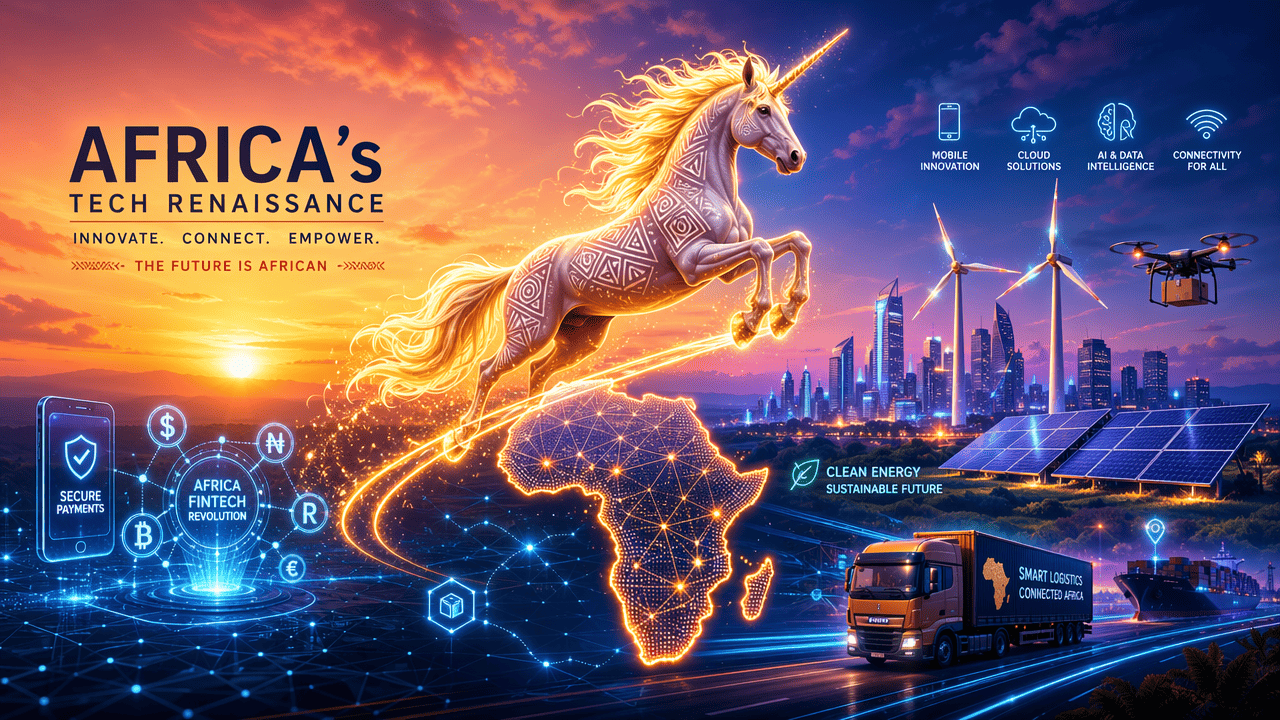
Africa’s unicorn class is still small, but it is getting stronger and more diverse. As of early 2026, Africa has nine confirmed tech unicorns, led by fintech-heavy names such as Flutterwave, OPay, Wave, Tyme, Moniepoint, and others, while the next wave of billion-dollar candidates is being watched closely across fintech, mobility, energy, and healthtech. africabiznews
Why this topic matters
African startup funding has been volatile, but the continent’s best companies have continued to reach scale. AVCA says Africa’s private capital market stabilized in 2025, and industry coverage shows that late-stage investors are still backing a focused set of breakout startups despite a tougher global environment. avca
The result is a very clear split: a small club of unicorns already at the summit, and a larger pipeline of “soonicorns” waiting for the right mix of growth, profitability, and capital markets support. linkedin
The current unicorn club
| Company | Country | Sector | Reported valuation | Why it stands out |
|---|---|---|---|---|
| Flutterwave | Nigeria | Payments infrastructure | $3.0B | One of Africa’s best-known cross-border payments platforms. africabiznews |
| OPay | Nigeria | Super-app / fintech | $2.75B | Massive consumer-fintech reach in one of the continent’s biggest markets. africabiznews |
| Wave | Senegal | Mobile money | $1.7B | A major mobile-money story from Francophone Africa. africabiznews |
| Tyme Group / TymeBank | South Africa | Digital banking | $1.5B | Became a unicorn after its $250M Series D in 2024. techcabal |
| Moniepoint | Nigeria | Business banking / fintech | $1B+ | Joined the unicorn club in 2024 after a $110M round. nairametrics |
The broader reporting around African unicorns shows fintech remains dominant, with TechCabal noting that seven out of nine African unicorns are fintechs. africabiznews
Who’s next
1. M-Kopa
M-Kopa is one of the strongest candidates for the next African unicorn wave. Investor attention has grown because it raised about $166 million in 2025 and reportedly posted its first-ever profit, which strengthens the case for a billion-dollar valuation. linkedin
What makes M-Kopa compelling is not just fundraising, but operating scale: it serves millions of underbanked customers with a financing model built around everyday assets and digital micropayments. fintechnews
2. Stitch
Stitch is widely viewed as a next-generation payments contender. It remains on investor watchlists in 2026 after raising $55 million and continuing to build infrastructure for modern payments flows across the continent. linkedin
Its appeal is simple: African commerce still needs better payment rails, and infrastructure companies can scale faster than consumer apps once they win developer and merchant trust. linkedin
3. LemFi
LemFi is another strong contender in the fintech pipeline. Industry coverage places it among the African startups most closely watched for a future $1 billion-plus valuation after a $53 million raise. linkedin
Cross-border remittances remain a huge market in Africa, and companies that reduce friction, cost, and compliance pain have a credible route to scale. linkedin
4. PalmPay
PalmPay keeps showing up on unicorn watchlists because consumer fintech in large African markets can still expand quickly. It is repeatedly mentioned alongside Kuda, Yoco, and Onafriq as a likely billion-dollar candidate or IPO name. linkedin
Its path to unicorn status likely depends on continued transaction growth, better monetization, and proof that it can keep users engaged beyond simple payments. linkedin
5. Moove
Moove is one of the most interesting mobility bets on the continent. It has been repeatedly flagged as a potential unicorn candidate, especially as investors look for businesses that can combine transport, asset financing, and embedded credit. linkedin
The company’s upside comes from the size of urban mobility in Africa and the demand for financing models that help drivers and fleet operators access vehicles. linkedin
6. Spiro
Spiro has emerged as a serious contender in electric mobility. It raised $100 million in 2025 and is now seen as one of the strongest mobility names on investor radars. linkedin
That matters because the company sits at the intersection of transport, energy transition, and asset financing, three themes that can attract both strategic and financial capital. linkedin
Sectors to watch
| Sector | Why it matters | Names to watch |
|---|---|---|
| Fintech | Still produces the most unicorns and attracts the most capital. africabiznews | M-Kopa, Stitch, LemFi, PalmPay, Kuda, Onafriq. linkedin |
| Mobility | Large addressable market, especially in cities with weak transport systems. linkedin | Moove, Spiro, Yassir, Gozem. linkedin |
| Energy | Funding demand is strong because access and affordability remain huge problems. linkedin | Sun King, d.light, SolarSaver, PowerGen. linkedin |
| Healthtech / proptech | Still early, but large consumer needs create room for breakout scaling. linkedin | Nawy, LXE Hearing. linkedin |
Fintech is still the clearest route to unicorn status, but the next generation may be more mixed as startups in mobility and energy mature into larger, more defensible businesses. africabiznews
What to watch next
The next African unicorn is likely to come from a company that combines three things: strong revenue growth, a clear path to profitability, and a late-stage round at a valuation that market investors can still defend. AVCA’s 2025 market view suggests the ecosystem is steadier than it was during the funding slowdown, but capital is still selective. africaprivateequitynews
That is why M-Kopa, Stitch, LemFi, PalmPay, Moove, and Spiro are getting attention: they are not just growing, they are increasingly seen as companies with real operating depth. linkedin